 English
  Português do Brasil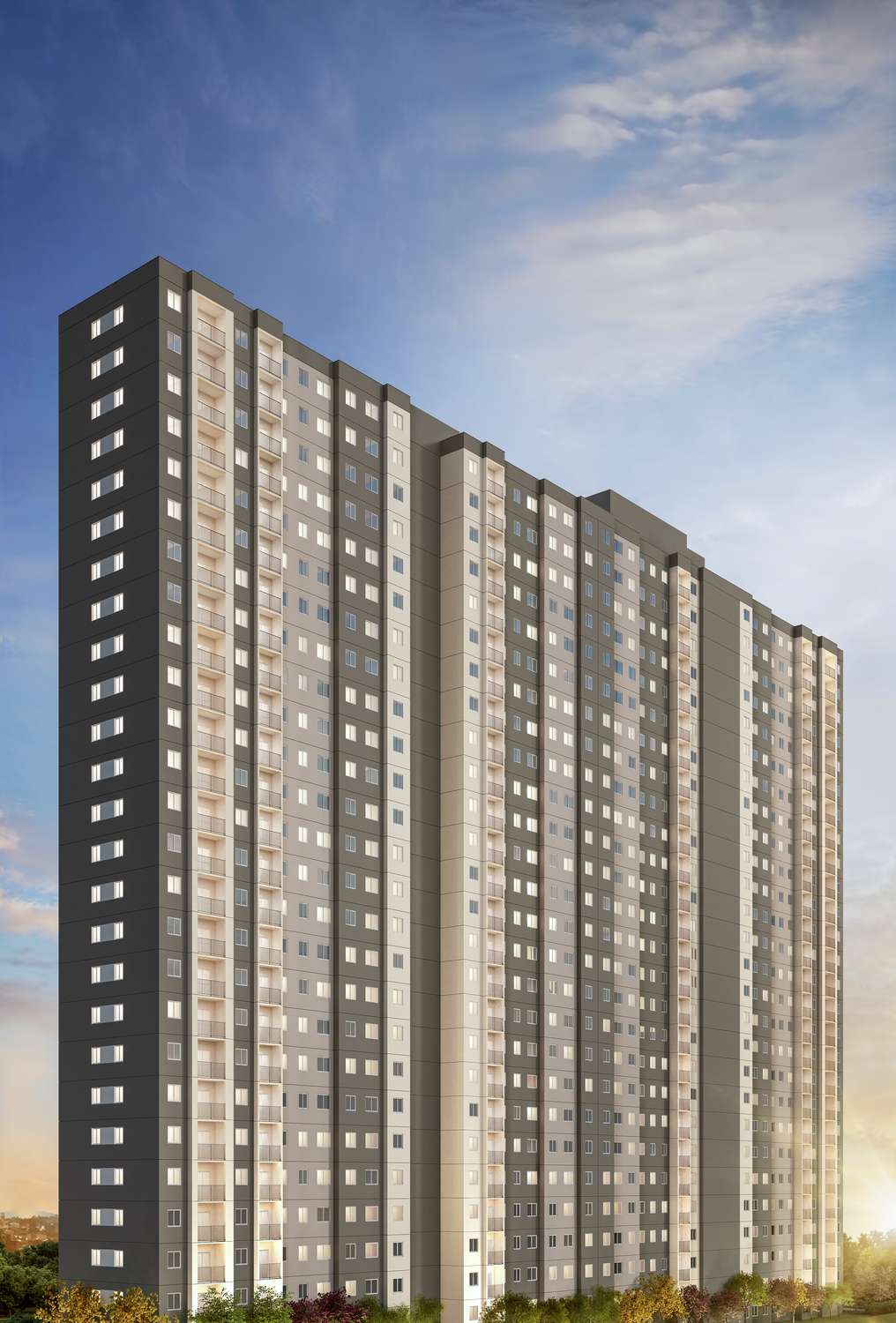
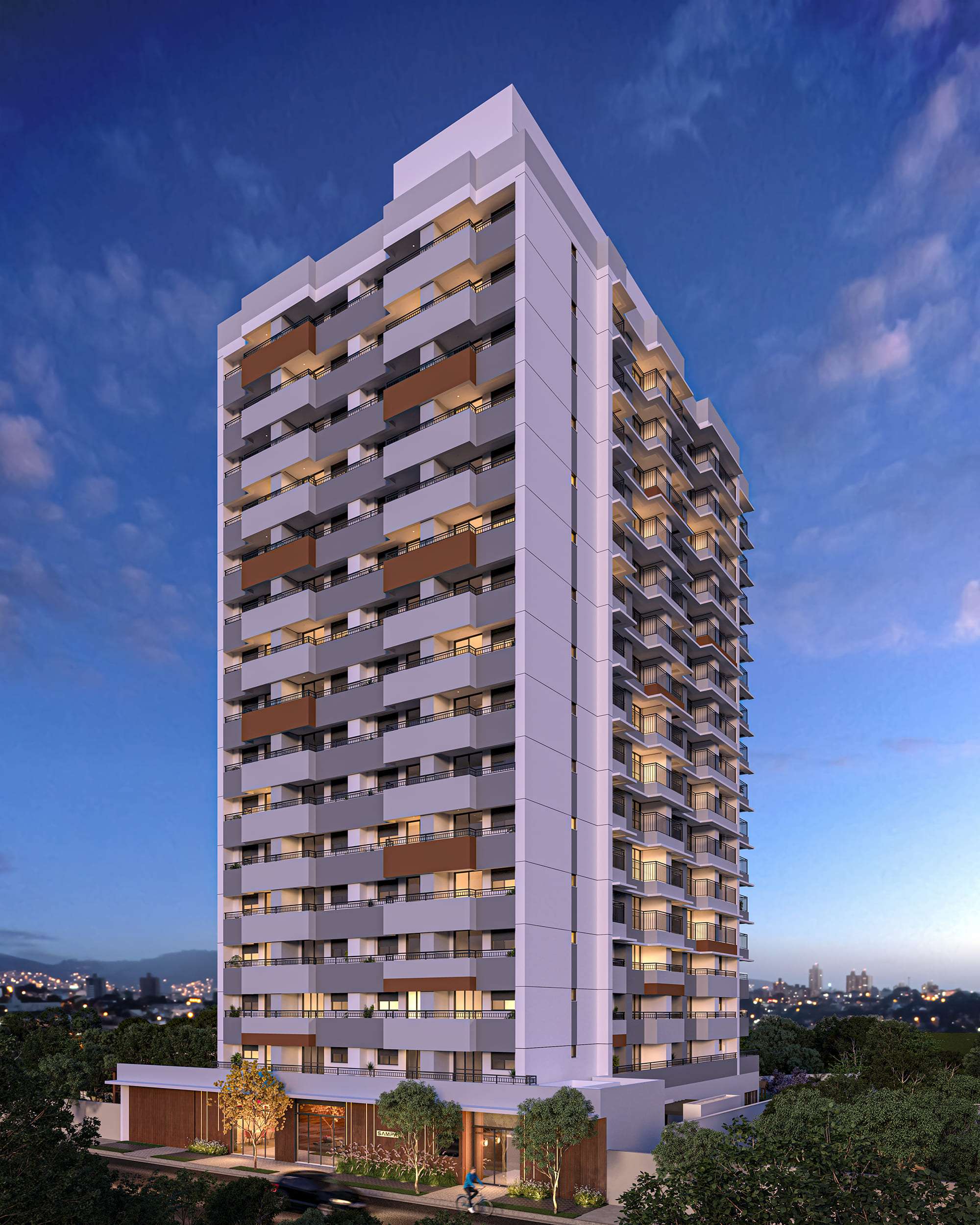
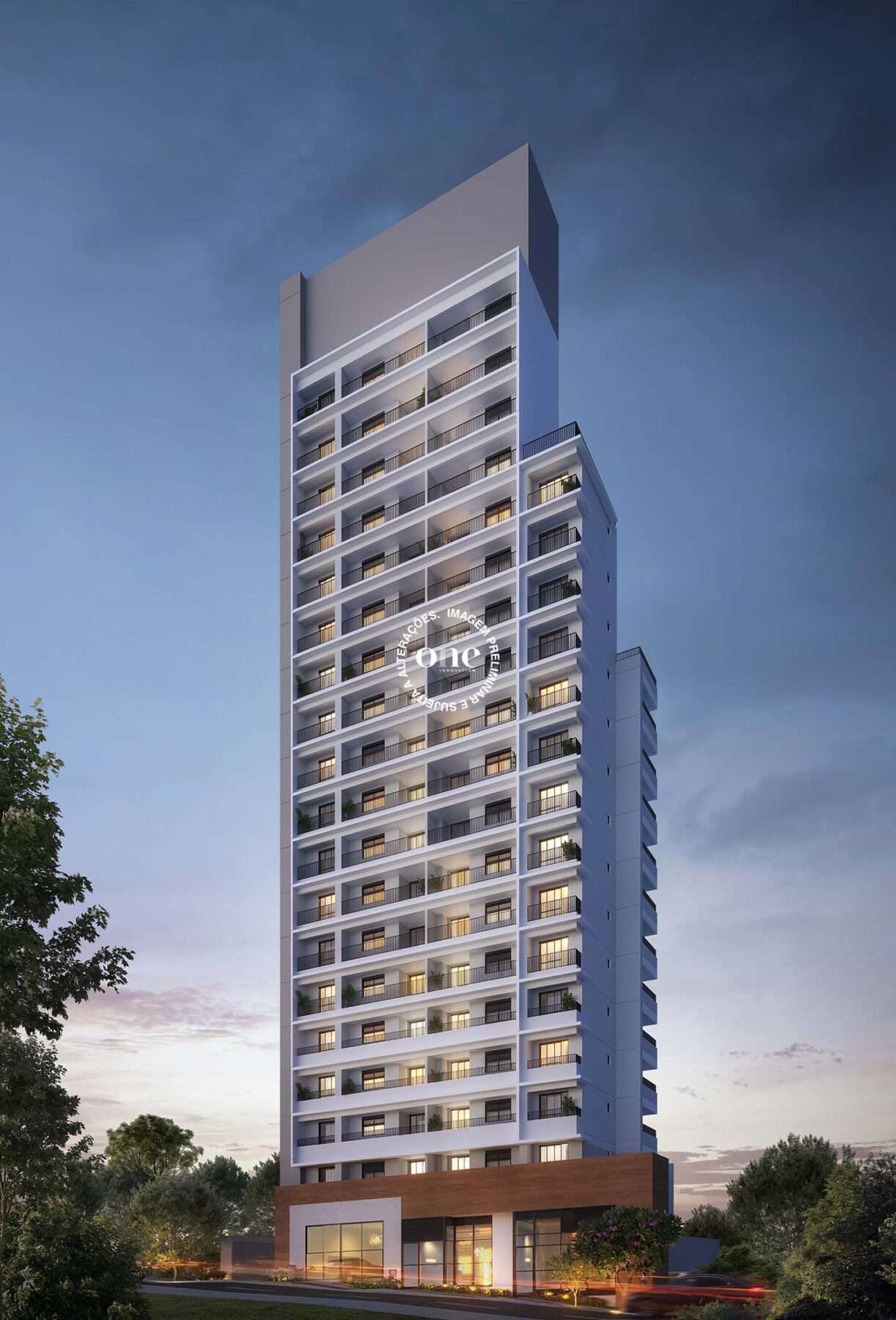
HMP stands for "Habitação de Mercado Privado" in Portuguese, which translates to Private Market Housing in English. It refers to properties built and sold by private developers on the open market, intended for sale to a broad range of buyers. Anyone can purchase HMP properties, provided they meet the financial requirements. These properties are not subsidized by the government and are subject to market-driven pricing, making them accessible to individuals and families with sufficient purchasing power.
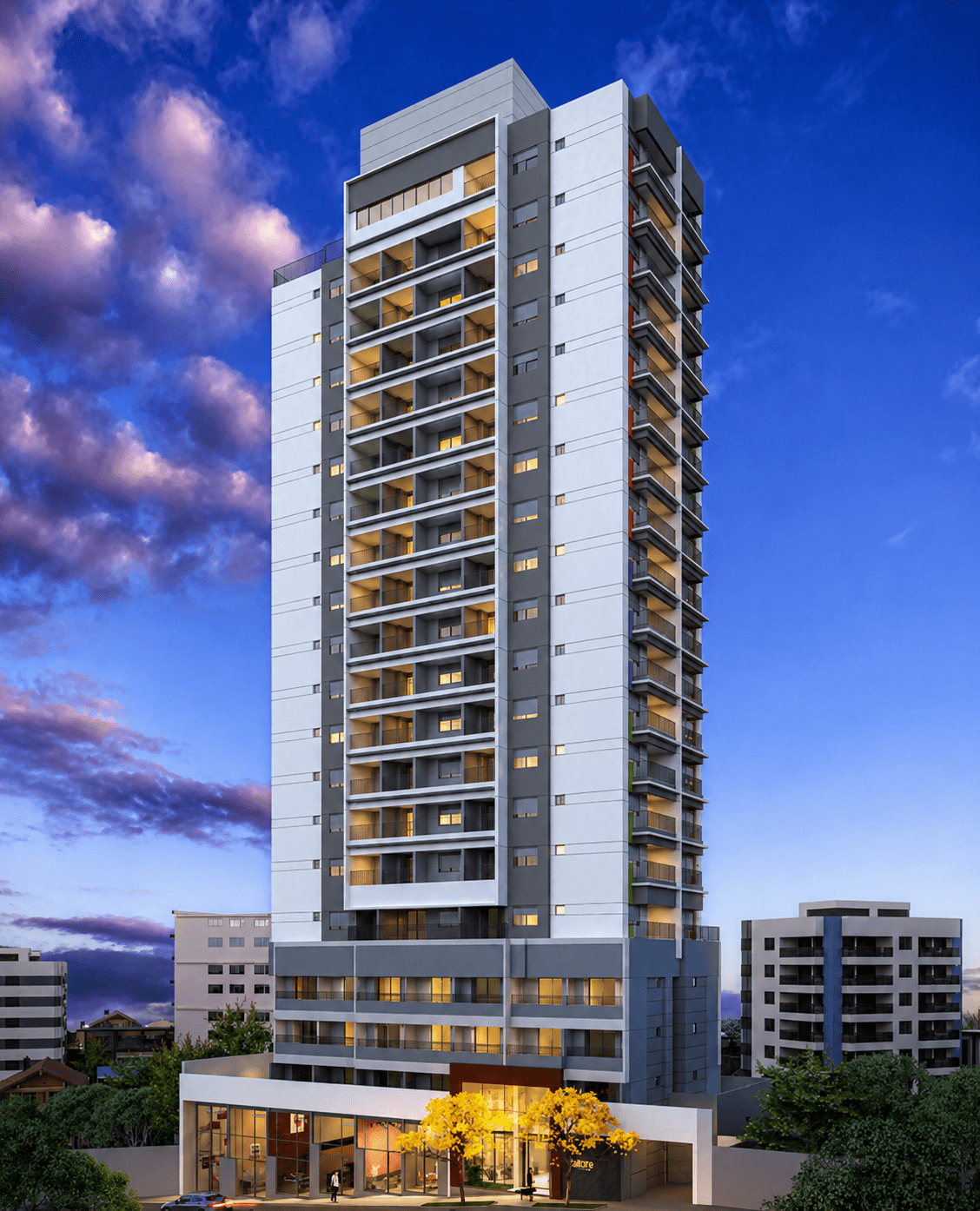
When researching the real estate market or looking for apartment options in big cities, it's very common to come across acronyms like HIS e HM Prison. If you found the term HM Prison and want to understand what that means in practice, you've come to the right place.
In this article, we explain what Housing for the Popular Market is, how it works, its eligibility rules, and what the benefits of this modality are.
What does HMP stand for?
HM Prison is the acronym for Affordable Housing. This is a classification provided for in zoning laws and Master Plans of various municipalities (such as the city of São Paulo) to encourage the construction of affordable housing for the middle class.
To encourage this type of construction, city halls offer urban planning benefits to construction companies. In return, the properties must be intended for families that fit into specific income brackets and sold within price limits stipulated by law.
Difference between HIS and HMP
Although both are types of public interest housing, the main difference lies in the target income bracket:
• Social Housing: Aimed at lower-income families (generally earning up to 6 minimum wages).
• HMP (Affordable Housing): It caters to a middle-income segment, bridging the gap between public housing and the mid- to high-end real estate market.
Who is eligible to purchase an HMP property?
The key criterion for purchasing a property in this category is the proof of total household income.
Income bracket: In general, the HMP is intended for families with a gross monthly income between 6 and 10 minimum wages (The exact limit varies depending on local laws.)
• Documentation: In the credit analysis or financing contracting stage, it is necessary to present proof of income for all family members who will be included in the contract.
• Financing: Many HMP properties allow the use of FGTS funds or fall within the higher brackets of housing programs and facilitated credit lines.
Key features and advantages of HMP
Regulated price ceiling
Since the HMP’s goal is to ensure access to housing, the prices per square meter and the total price of the units are subject to maximum limits set by the city’s urban planning guidelines.
2. Strategic location
The incentives given to HMP developments encourage construction along public transport corridors and in already established urban areas, facilitating access to subways, buses, services, and commerce.
3. Infrastructure and Project Profiles
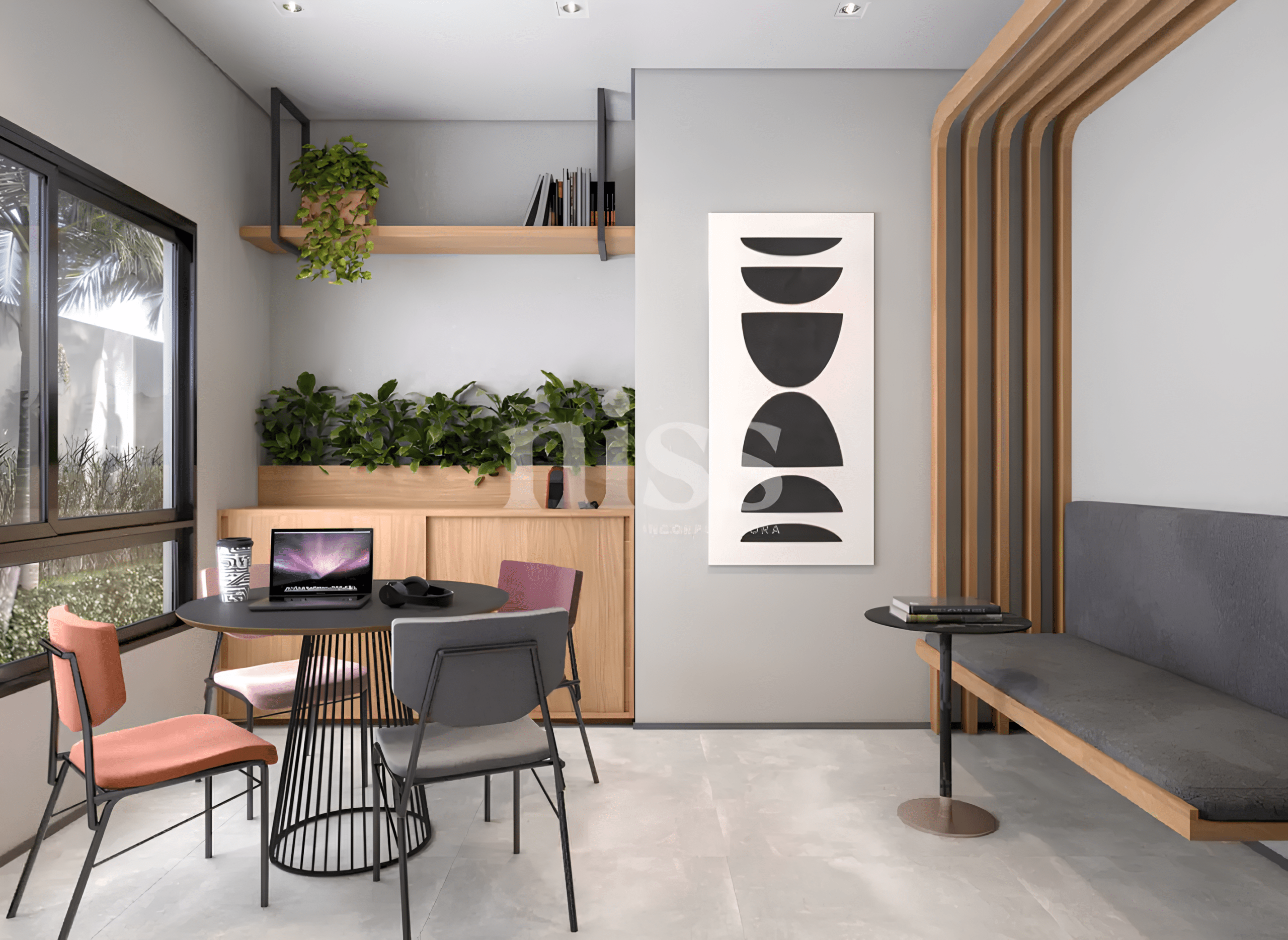
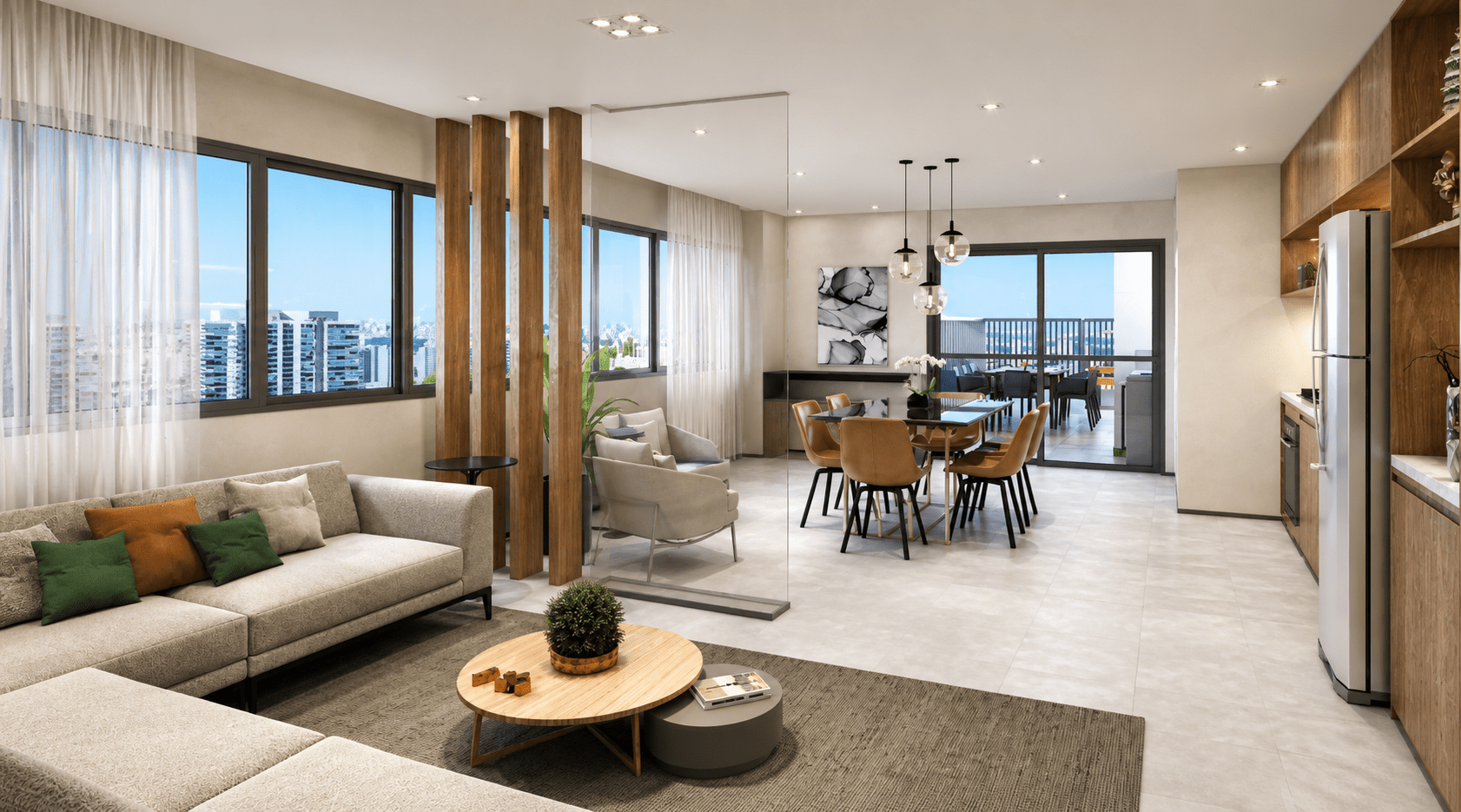
Today, projects built under the HMP regulations keep pace with modern market trends, offering optimized floor plans, shared recreational areas, and security solutions.