 English
  Português do Brasil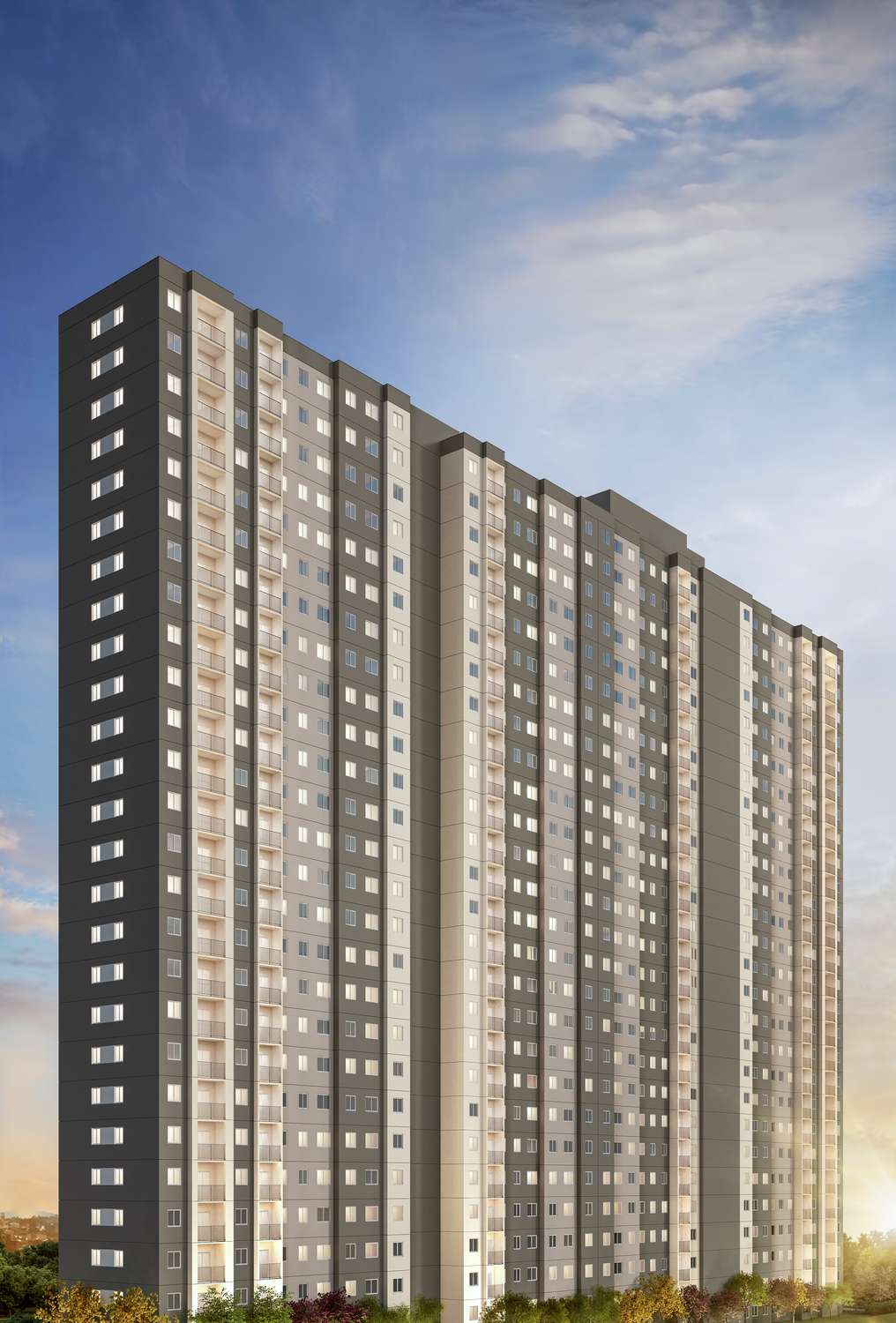

Urban Mobility and Quality of Life: What Buyers Are Looking for Today
The new way to choose a property
For a long time, square footage and the number of bedrooms were the main factors in choosing a property. Today, buyer behavior has changed. Strategic location and ease of transportation have become decisive factors at the time of purchase, especially in large urban centers.
With increasingly dynamic routines, living close to services, commerce, public transportation, and leisure options has become synonymous with quality of life.
The impact of mobility on daily routine
Time spent in traffic is one of the major challenges in big cities. Therefore, developments located in well-connected regions offer more convenience for residents' daily lives.
The proximity to subway stations, bus corridors, bike paths, and major access roads allows for faster and more efficient commutes, reducing stress and increasing time available for personal and family activities.
The "15-minute city" concept
A trend that has been gaining traction in the real estate market is the "15-minute city" concept, where people can access work, commerce, services, education, and leisure within a few minutes of walking or cycling.
This urban transformation directly influences property appreciation and buyer interest, as people increasingly seek convenience and practicality.
The surrounding infrastructure makes a difference
Besides transportation, the surrounding infrastructure is a determining factor. Regions that offer markets, pharmacies, gyms, restaurants, cafes, and community spaces tend to attract greater demand and present better appreciation potential.
Living close to essential services means fewer commutes and a better quality of life.
Developments that follow this trend
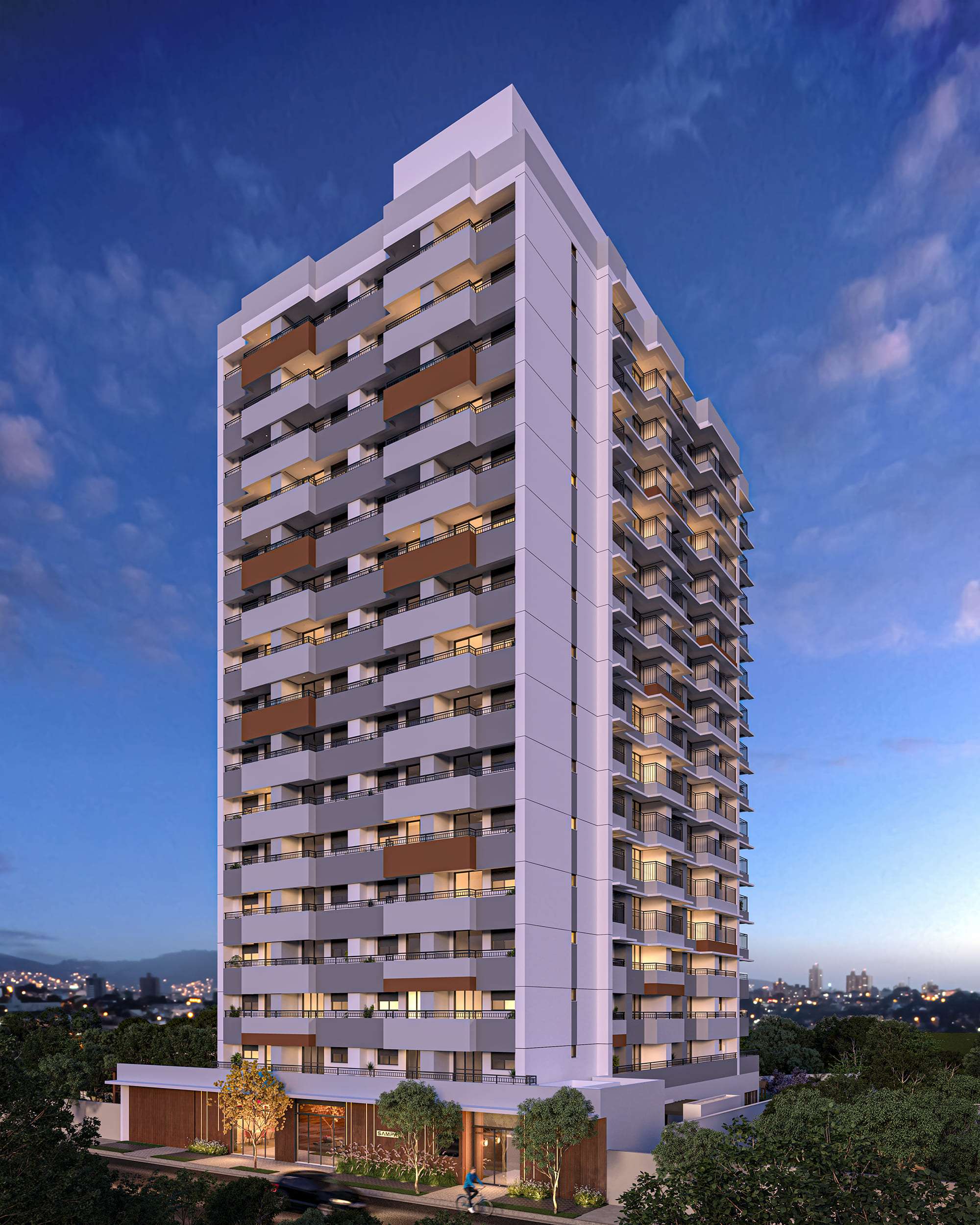
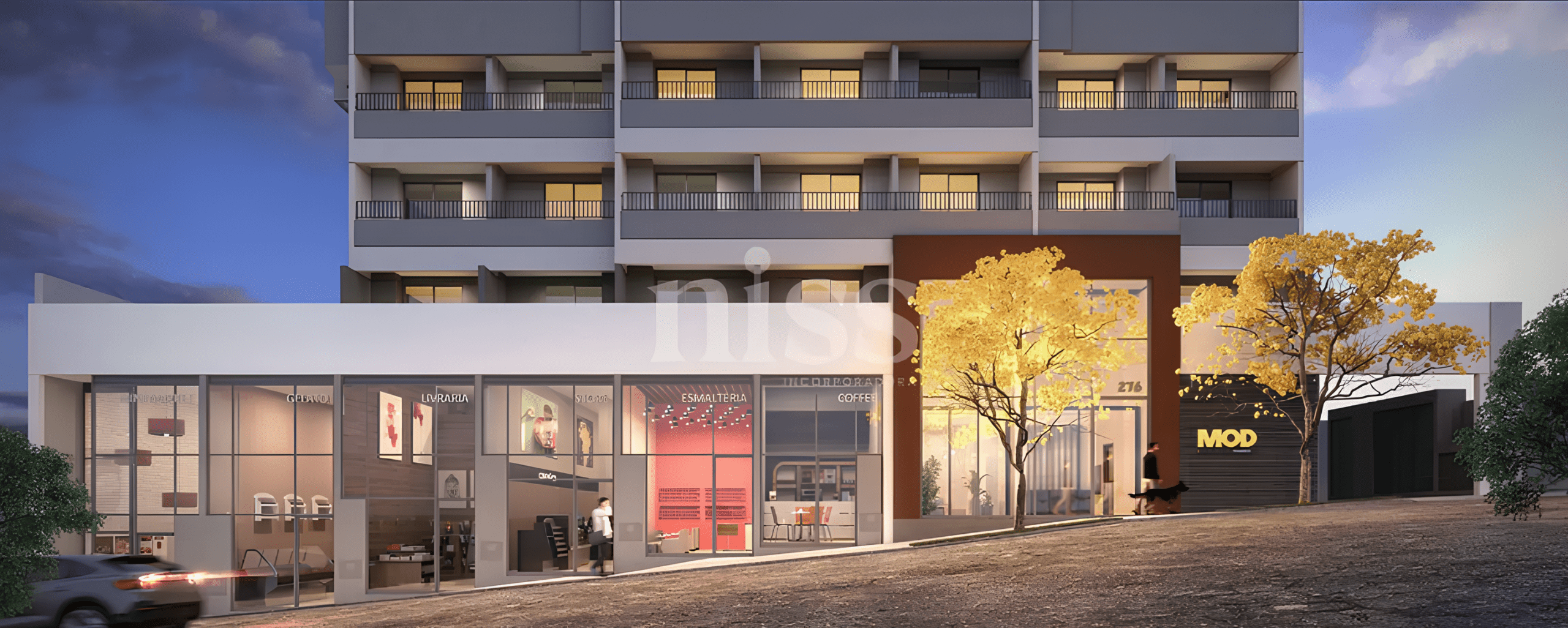
New real estate projects are being developed to cater to this more connected lifestyle. Many developments incorporate shops, services, and communal areas within the complex itself, creating a more complete experience for residents.
This integration of housing, convenience, and mobility reflects the needs of a generation that values time, comfort, and well-being.
Appreciation for living and investing
Properties located in areas with good urban mobility tend to have greater liquidity and appreciation potential. In addition to benefiting residents in their daily lives, these developments also attract the interest of investors seeking assets with consistent demand over time.