 English
  Português do Brasil
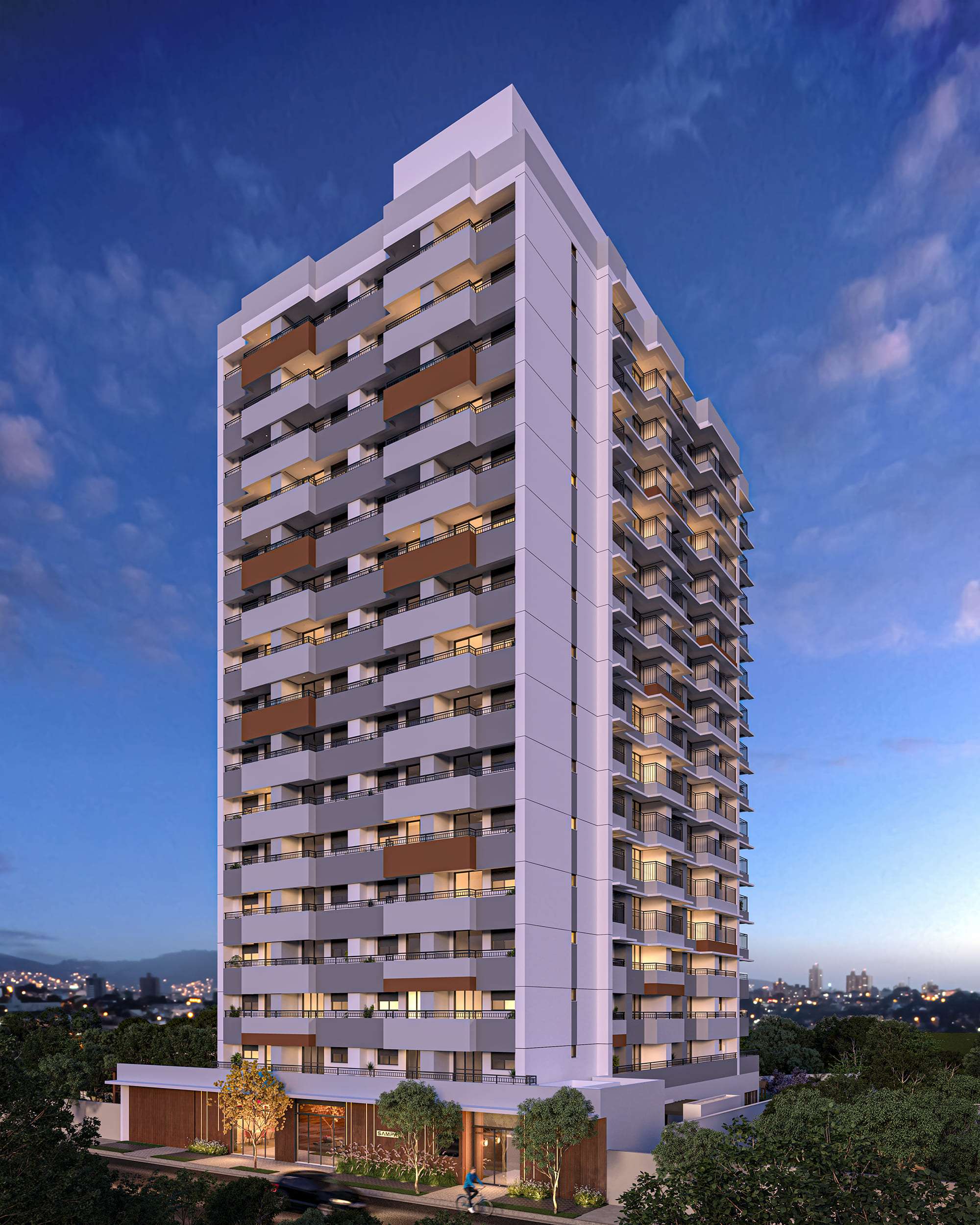
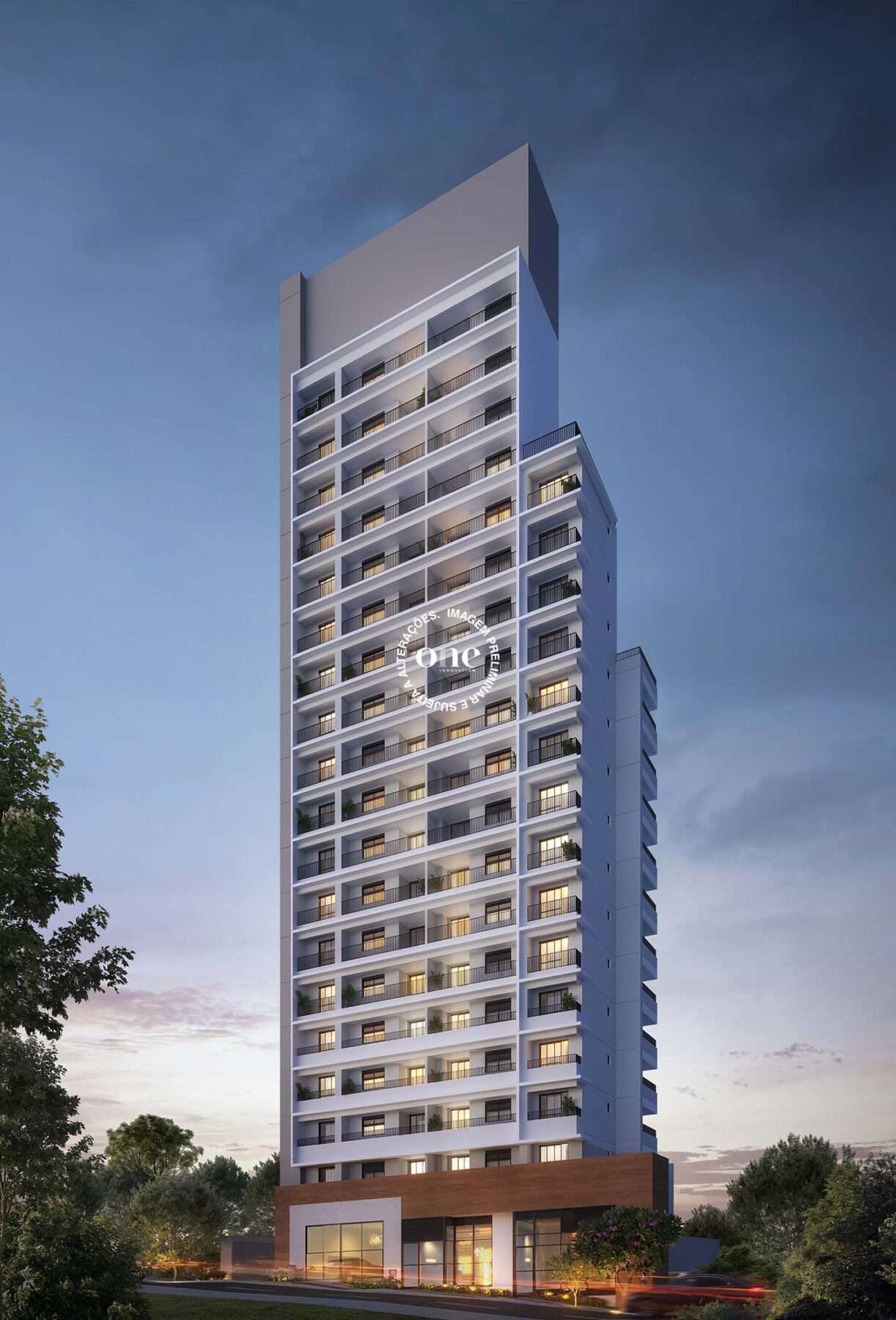
The Common Areas Revolution: How Condo Infrastructure Defines the New Way of Living
Until recently, when looking for a new property, the decision-making criteria focused almost exclusively on the interior of the apartment: the number of bedrooms, the size of the living room, or the size of the balcony. The building itself? All that mattered was having a parking space, a secure gate, and, perhaps, a party room with a barbecue grill.
That situation has changed radically.
Today, the concept of housing has expanded beyond four walls. Common areas they ceased to be mere "extras" and became direct extensions of the apartment — taking on a leading role in property selection, the quality of life for families, and the long-term appreciation of assets.
The New Resident Profile: Practicality and Convenience Without Leaving Home
Modern life demands efficient use of time. With traffic in major cities and the growing popularity of hybrid or remote work models, people have come to value solutions that meet their daily needs right where they live.
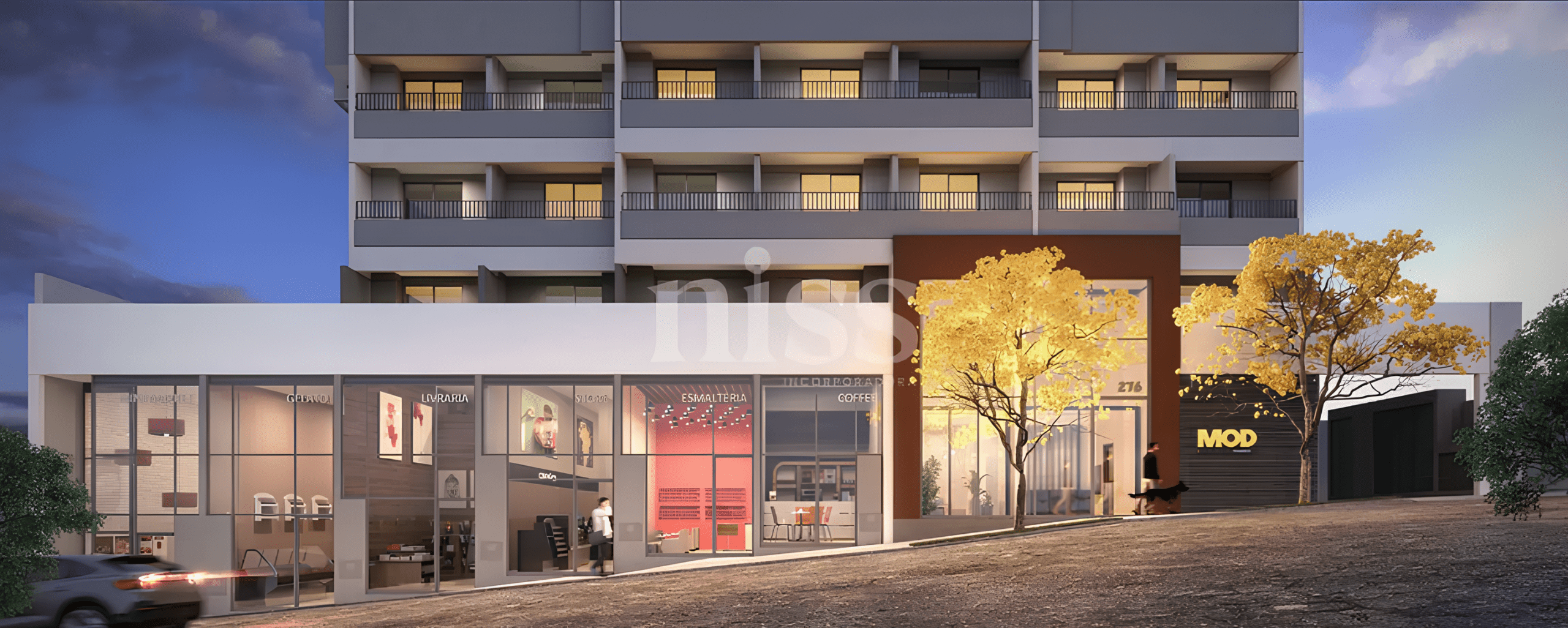
The latest real estate developments have understood this message and transformed the ground floor (pilotis) and the rooftop into true centers of convenience and well-being.
The Most Desired Common Area Trends in the Market
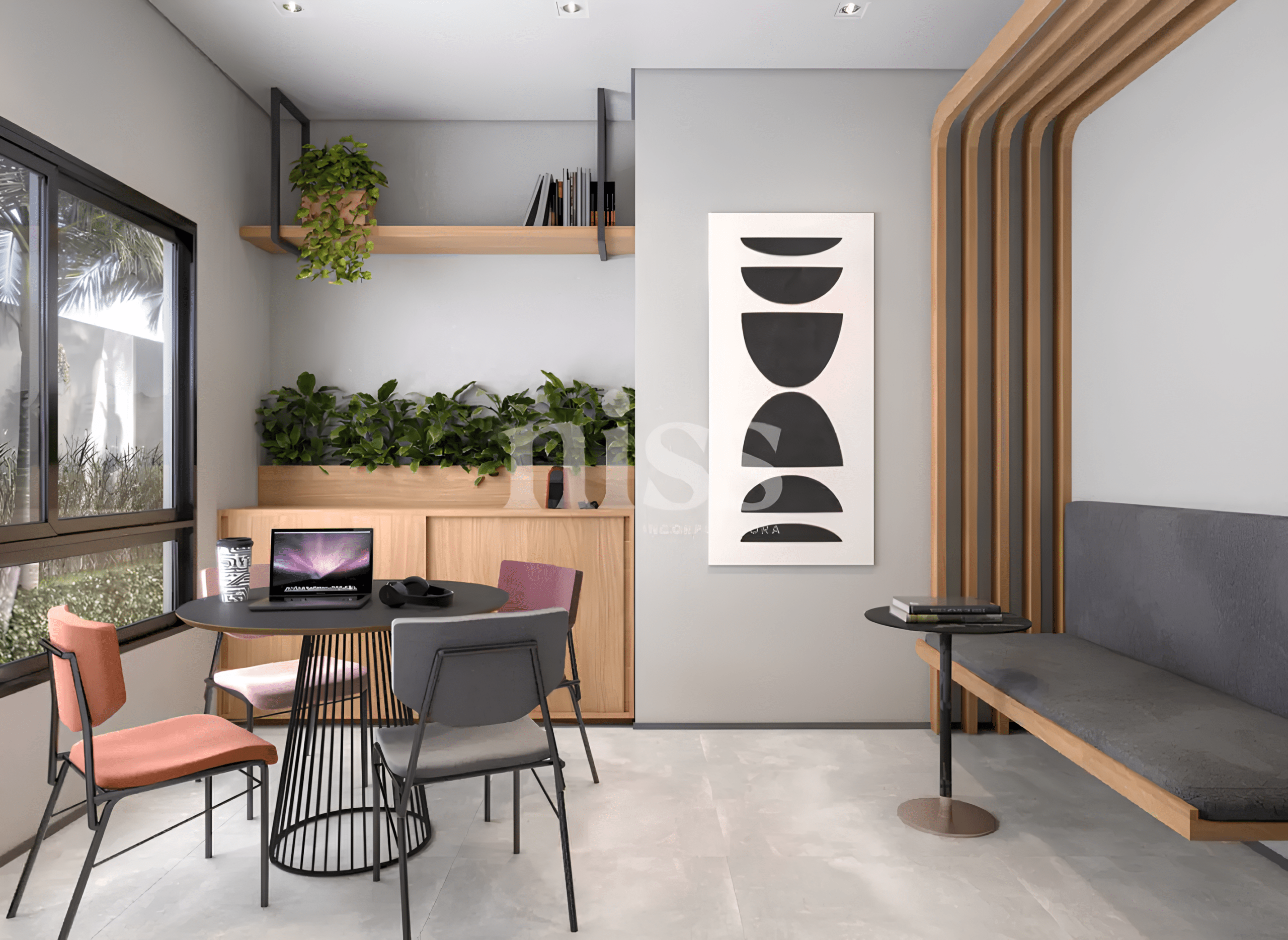
• Coworking Spaces: Fully equipped meeting rooms, call booths, and workstations with high-speed Wi-Fi. Working from home now has a professional setup without taking up space in your home.
• Independent Mini-Marts (Market 24h): The convenience of taking the elevator down to buy a missing dinner ingredient, a soda, or a hygiene item at any time of day.
• Rooftop Lounges: Infinity edge pools, lounges, and gourmet spaces located on the rooftops of buildings, providing a spectacular city view for relaxing moments.
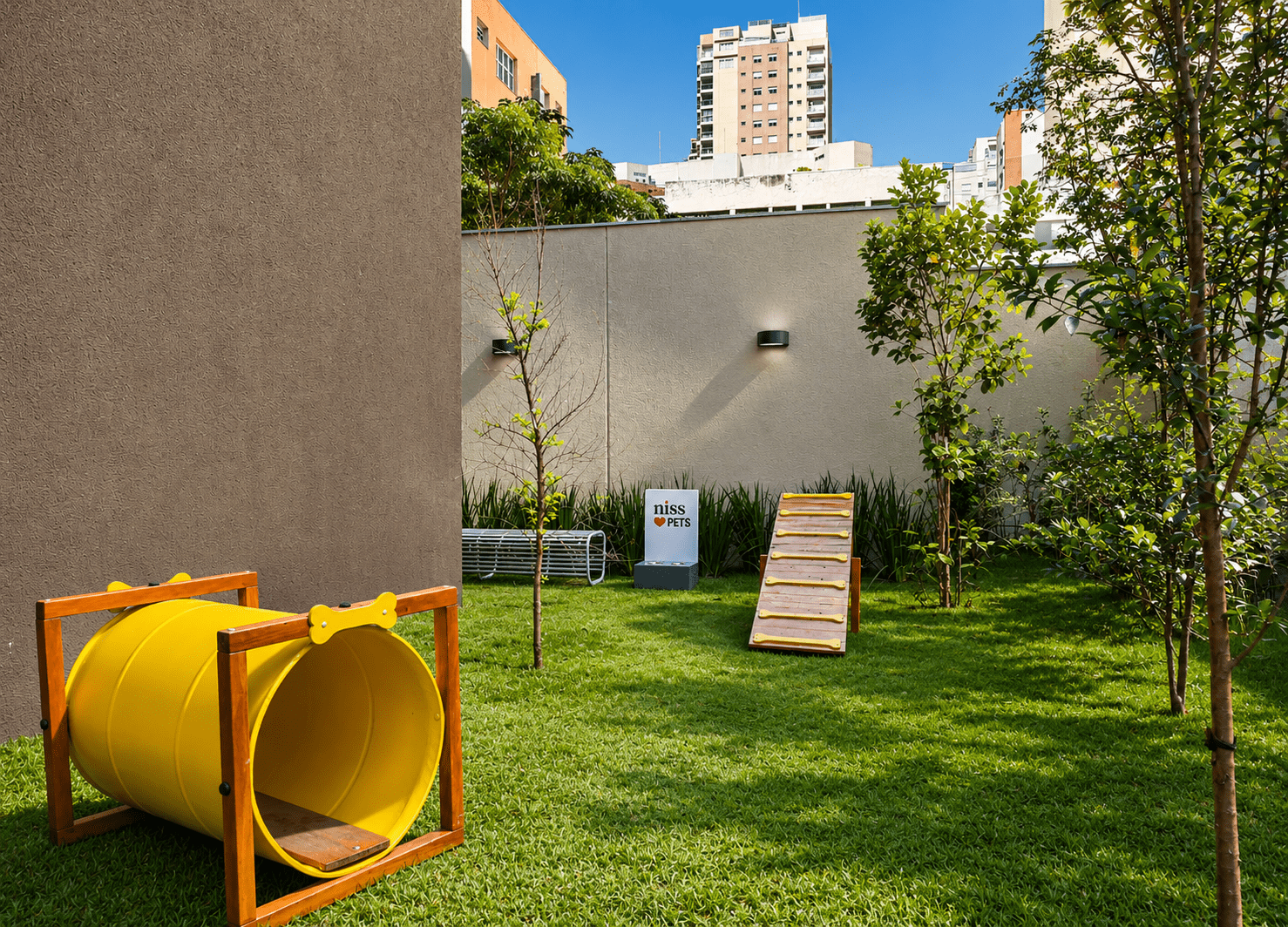
• Pet Ecosystem (Pet Place & Pet Care): Exclusive areas for pets to play safely outdoors, as well as equipped spaces for bathing and grooming.
• Delivery Space & Smart Lockers: Dedicated and secure areas for receiving and storing online purchases and app deliveries, including refrigerators to keep food fresh.
How Much Does It Cost to Have All This? The Myth of High Condo Fees
One of the biggest concerns for those looking for a condominium with extensive recreational facilities is the cost of the monthly maintenance fee. However, the math of the real estate market shows the opposite effect: cost dilution.
When a development has a solid base of residents, the maintenance cost of a professional gym, heated pool, or pet space is divided among everyone.
Do the math: How much would you spend monthly on family gym memberships, coworking rentals, club fees, and transportation? On paper, centralizing these experiences within the condominium generates significant financial savings for the family budget.
The Impact of Common Areas on Your Property's Value
Whether for living or investing, condominium infrastructure is one of the factors that best protects the property against market depreciation.
1. Higher Resale Liquidity: Developments with modern, well-maintained common areas that align with current lifestyles sell considerably faster than older buildings without such amenities.
2. Exponential Attractiveness for Lease: Tenants—especially younger ones—prioritize convenience. Apartments in buildings with shared laundry facilities, a state-of-the-art gym, and a pool have virtually no vacancy rate.
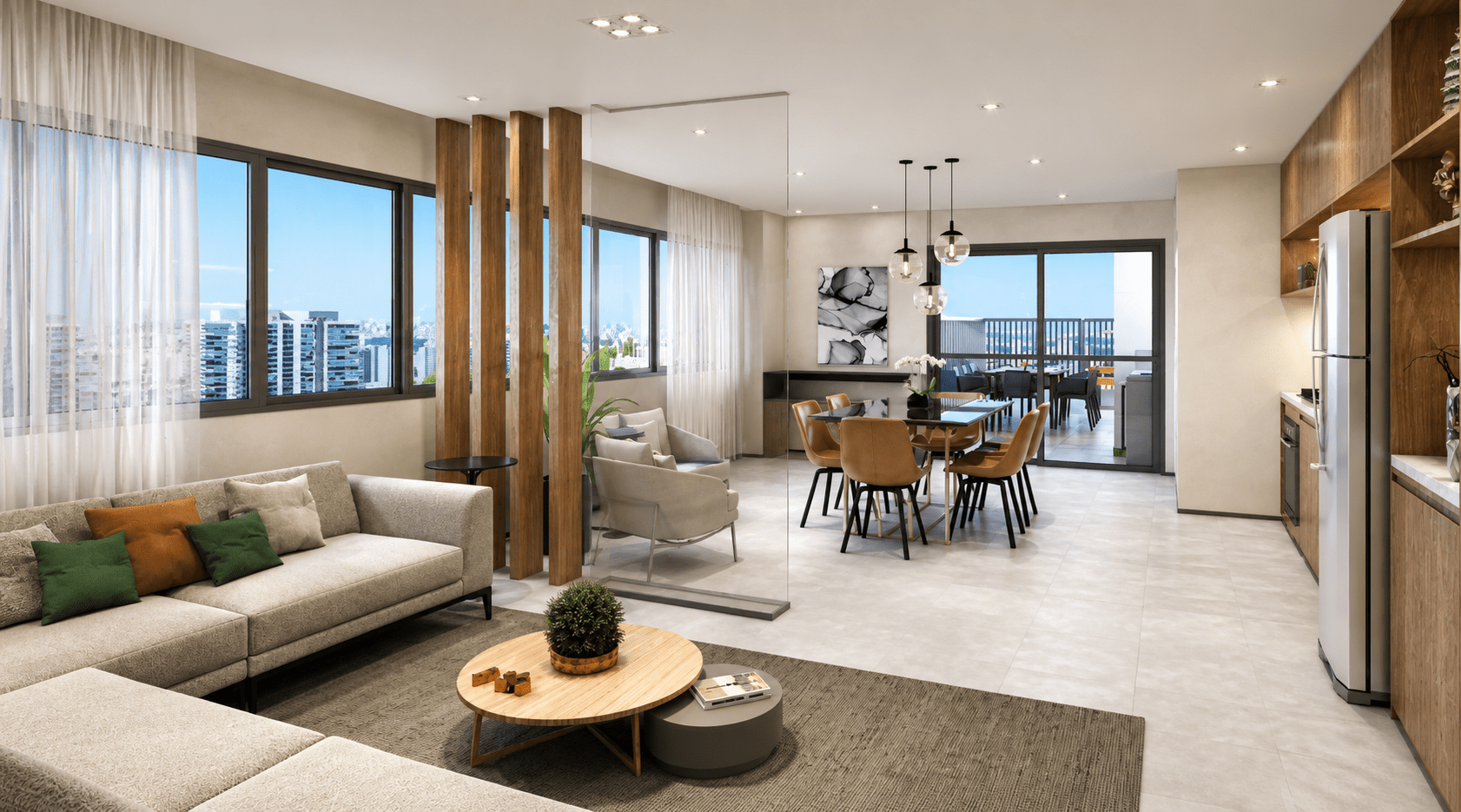
3. Feeling of spaciousness: A compact 40-square-meter apartment feels much more spacious when the resident has a gourmet kitchen to entertain 15 friends, a garden to relax in, and a fully equipped gym just an elevator ride away.